Solo Travel Safety: Smart Planning + Checklist
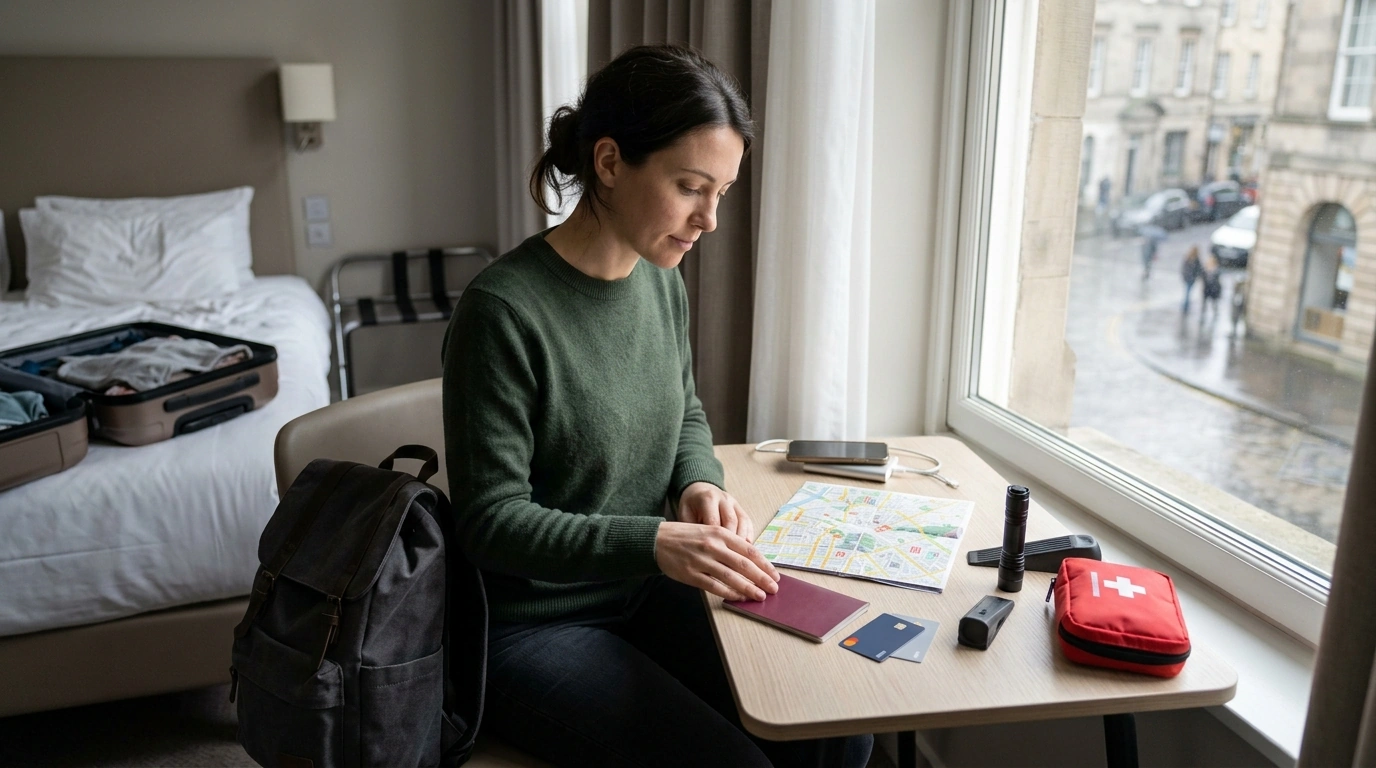
Solo Traveler’s Guide to Staying Safe: Practical Planning, Smart Habits, and a Ready-to-Use Checklist
Solo travel feels freer when the basics are locked in: a realistic plan, simple routines, and a few non-negotiable safeguards for money, devices, lodging, and getting around. Safety doesn’t have to be complicated to be effective—it just has to be consistent. The goal is to reduce “surprise moments,” especially during the first hours in a new place, when you’re tired, carrying bags, and still learning the local rhythm.
Below are manageable steps to take before departure and on the ground, plus a quick checklist you can customize per destination. For official destination advisories and entry updates, check U.S. Department of State — International Travel. For health prep and vaccine guidance, use CDC — Travelers’ Health.
Start With a Personal Risk Snapshot
Safety planning works best when it’s specific to how you actually move through a day. Instead of trying to “be careful” all the time, identify the moments when you’re most exposed and create simple rules you’ll follow even when you’re distracted.
Map the trip by daily movement
Sketch your typical day in five beats: arrival (airport/station), transfer to lodging, daytime activities, nightlife (if any), and return routes. Each beat gets its own plan: what you’ll do, what you’ll avoid, and what your backup option is if something changes.
Pick the top 3 risks for your destination
Most itineraries have predictable risk patterns: petty theft in crowded areas, transport scams at arrival points, weather disruptions, political unrest, or outdoor hazards like hiking injuries. Choose three and plan around them rather than trying to cover every possibility.
Set boundaries before you’re in the moment
Decide ahead of time where you won’t go, how late you’ll stay out, how much alcohol you’ll drink, and what triggers a change of plan (for example: getting followed, losing cell signal, or realizing you don’t have a safe route back).
Write a “what would I do if…” list
Make a short response plan for: lost phone, lost passport, card fraud, medical issue, harassment, and a last-minute accommodation change. The point isn’t perfection—it’s speed. When stress hits, you’ll act faster with a script.
Before You Leave: Documents, Money, and Backups
Solo travelers benefit from “split storage”: nothing critical should live in a single pocket, single bag, or single device.
Carry the minimum, store the rest
Bring one primary card and one backup card stored separately, plus a small amount of cash divided into two locations. The goal is to avoid a single-point failure if you’re pickpocketed or a wallet goes missing.
Secure copies and key contacts
Make copies of your passport/ID, visa (if needed), insurance info, and key reservations. Save encrypted digital copies and keep one paper copy separate from your original documents. Also note local emergency numbers and the nearest embassy/consulate contacts.
Banking protections you can set in minutes
Enable transaction alerts, confirm international use, set conservative ATM limits, and know exactly how to freeze cards quickly (app, phone number, or both). If you use tap-to-pay, keep a backup payment option that doesn’t rely on your phone.
Pack a micro safety kit
A doorstop wedge, compact flashlight, basic first aid, and essential medications (with prescriptions) cover an outsized number of common issues—especially in unfamiliar lodging or during power outages.
Device and Account Security for Travelers
Harden your lock screen
Turn on location and recovery tools
Safer charging and Wi‑Fi habits
Choosing Lodging and Staying Safer Inside It
Choose for location, lighting, and support
Do a 60-second room scan
Use simple barriers and a low profile
Getting Around: Transit, Walking, and Rides
Arrive smart and pre-plan the first transfer
Verify rides and keep the route visible
Have a walking “bailout route”
Social Safety: Meeting People, Dating, and Nightlife
Keep location details limited
Meet publicly and control transportation
Use a check-in routine
Solo Travel Safety Checklist (Quick Reference)
| Category | Do this before departure | Do this on arrival |
|---|---|---|
| Documents | Save encrypted scans; store paper copy separately | Confirm passport and one backup ID are accessible |
| Money | Split cash/cards; set bank alerts | Use ATMs in secure, staffed locations |
| Phone | Enable remote wipe; set strong lock | Keep battery above 30%; avoid public USB ports |
| Lodging | Choose reputable area; confirm check-in process | Check locks/exits; set door wedge at night |
| Transit | Plan first transfer; save offline maps | Verify rides; keep route visible |
| Health | Pack essentials; confirm insurance coverage | Know nearest clinic/pharmacy and emergency number |
A Ready-Made Digital Guide for Faster Planning
For a ready-to-use option, see Solo Traveler’s Guide to Staying Safe (Digital Download PDF). If planning stress tends to show up as last-minute rushing, pairing a checklist with a simple scheduling system can help; More Time, Less Stress: Time Management Mini-Course is useful for building calmer pre-departure routines.
FAQ
What should a solo traveler do if a phone is lost or stolen?
Use a backup contact method, open your device locator to remote-lock or erase, and change key passwords immediately. Contact your carrier to block the SIM, and freeze any cards that were accessible through your wallet app; file a police report if insurance requires it.
Is it safer to carry cash or cards when traveling solo?
Use both and keep them separated. Carry limited cash for small purchases, rely on cards with transaction alerts for bigger spending, and keep a backup card and emergency cash in a different place so one theft doesn’t end your trip.
How can lodging be made safer when staying alone?
Choose a reputable location, check locks and exits upon arrival, and use a door wedge or secondary lock if available. Keep valuables secured, avoid sharing room details, and place essentials in a grab-and-go spot for quick exits.











Leave a comment