Zero-Waste Packing List: Eco-Friendly Travel Checklist
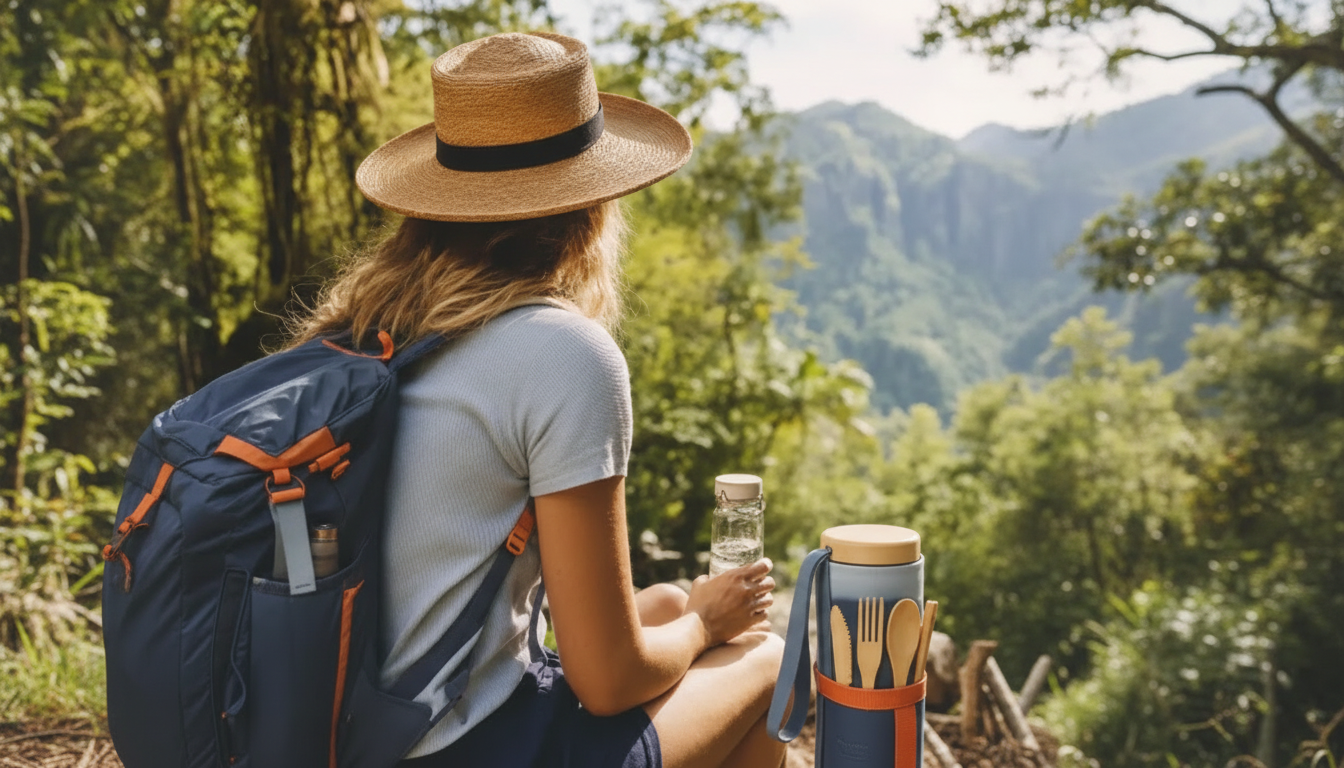
Sustainable travel gets easier when the basics are planned ahead: what to pack, what to skip, and what to do on the road to reduce waste and emissions. This checklist-focused guide covers low-waste essentials, refill systems, reusable swaps, and simple habits for transport, lodging, food, and activities—so trips feel lighter for both luggage and the planet.
For an easy, repeatable system, pair these tips with the Eco-Friendly Traveler Checklist digital download, then customize it by destination.
What “eco-friendly travel” looks like in real life
- Prioritizes cutting single-use waste (especially plastics) without overpacking extra gear.
- Chooses lower-impact transport when feasible, then reduces impact through smart routing, fewer flights, and longer stays.
- Supports local communities with responsible spending: locally owned stays, guides, and small businesses.
- Respects nature and culture: keeps wildlife wild, follows trail ethics, and avoids souvenir items linked to habitat loss.
- Plans for end-of-life: items that are refillable, repairable, recyclable, or compostable where facilities exist.
These priorities align with widely used frameworks like the U.S. EPA’s Reduce, Reuse, Recycle guidance: first reduce what you consume, then reuse what you already have, and recycle only when the local system can truly process it.
Zero-waste packing list: the core kit that replaces dozens of disposables
The goal isn’t to carry a “perfect” zero-waste setup. It’s to pack a small, dependable core kit that quietly prevents the most common travel trash: bottles, wrappers, plastic cutlery, mini toiletries, and shopping bags.
Core reusables to pack first
- Water + drinks: reusable bottle, optional filter (depending on destination water safety), and a collapsible cup for takeout beverages.
- Food on the go: reusable cutlery, a small container, a cloth napkin/bandana, and a reusable snack bag to avoid wrappers.
- Hygiene: solid soap/shampoo bars (or refillable minis), bamboo/replaceable-head toothbrush, toothpaste tabs (optional), and a razor with replaceable blades.
- Shopping: packable tote and a lightweight produce bag for markets and pharmacies.
- Laundry: a small bar or concentrated detergent sheets in a reusable pouch; a travel clothesline or a few clips if hand-washing.
- Period + personal care: menstrual cup/period underwear (if suitable), refillable deodorant, and reef-safe, broad-spectrum sunscreen when swimming is involved.
- Tech + documents: downloaded tickets/maps, a small power strip to share outlets, and a charger strategy that avoids extra adapters and cables.
Eco-friendly traveler checklist (quick-scan packing list)
| Category | Bring | Skip/Swap |
|---|---|---|
| Hydration | Reusable bottle, optional filter, collapsible cup | Single-use plastic bottles |
| Food | Reusable cutlery, container, snack bag | Plastic cutlery, cling wrap |
| Hygiene | Bar soap/shampoo, refillable minis, safety razor | Hotel mini bottles, disposable razors |
| Shopping | Packable tote, produce bag | Plastic shopping bags |
| Laundry | Concentrated detergent, clothesline/clips | Buying new clothes mid-trip |
| Paper | Digital tickets/maps, reusable notebook | Printing everything “just in case” |
| Health | Refillable meds kit, reef-safe sunscreen | Single-use wipes (when not necessary) |
If packing tends to expand over time, a quick reset before each trip helps: simplify what you bring, then commit to reusing it. Tools like the Joy-Centered Decluttering Kit can make it easier to keep a small “travel capsule” without rebuying duplicates.
Refill systems and low-waste toiletries that actually travel well
- Start with what you already own: decant into leakproof refillable bottles instead of buying travel-size products.
- Choose solid formats where practical: bar soap and shampoo bars reduce liquid limits and packaging.
- Bring a small refill routine: label bottles, keep a tiny funnel (or reuse a cap), and plan refill stops (pharmacies, grocery stores, refill shops).
- Avoid “greenwashed” disposables: compostable wipes and “biodegradable” items still need proper facilities and conditions to break down.
- Plan for laundry and stains: carrying one concentrated option avoids buying emergency single-use products on the road.
When choosing products, prioritize fewer ingredients, durable containers, and proven refill options over one-time “eco” swaps. If you can’t confidently dispose of something responsibly at your destination, reducing and reusing is usually the safer bet.
Sustainable travel habits: transport, stays, and daily routines
For outdoor adventures, the Leave No Trace Seven Principles are a practical baseline for minimizing impact while still enjoying the place you came to see.
Destination-ready checklist: customize by climate, culture, and access
One underrated sustainability move is reducing “panic purchases.” A simple planning workflow (schedule, list, pack, refill) prevents last-minute single-use buys. If trip prep tends to get rushed, the More Time, Less Stress: Time Management Mini-Course can help you build a repeatable pre-departure routine.
Using a digital checklist to stay consistent trip after trip
For a plug-and-play template, keep the Eco-Friendly Traveler Checklist digital download on your phone so it’s available at the store, the airport, or mid-trip when you’re deciding what to buy (or avoid buying).
FAQ
What is an eco-friendly traveler?
An eco-friendly traveler reduces waste and emissions where it’s practical, respects local culture and ecosystems, and spends in ways that support the community. It’s about consistent, lower-impact choices—not perfection.
What are the most important zero-waste items to pack first?
Start with a reusable water bottle, packable tote, small container, and reusable cutlery—these replace the most common disposables in transit and during meals. Add a minimal refillable toiletry setup (bar soap or decants) to avoid travel-size plastics.
How can travel be more sustainable if flying is unavoidable?
Take fewer flights by staying longer, choose direct routes when possible, and pack lighter to reduce carry weight. Once you arrive, rely on transit/walking, keep lodging energy use reasonable, and stick to low-waste routines that prevent daily disposables.










Leave a comment